
 By Ravi Singh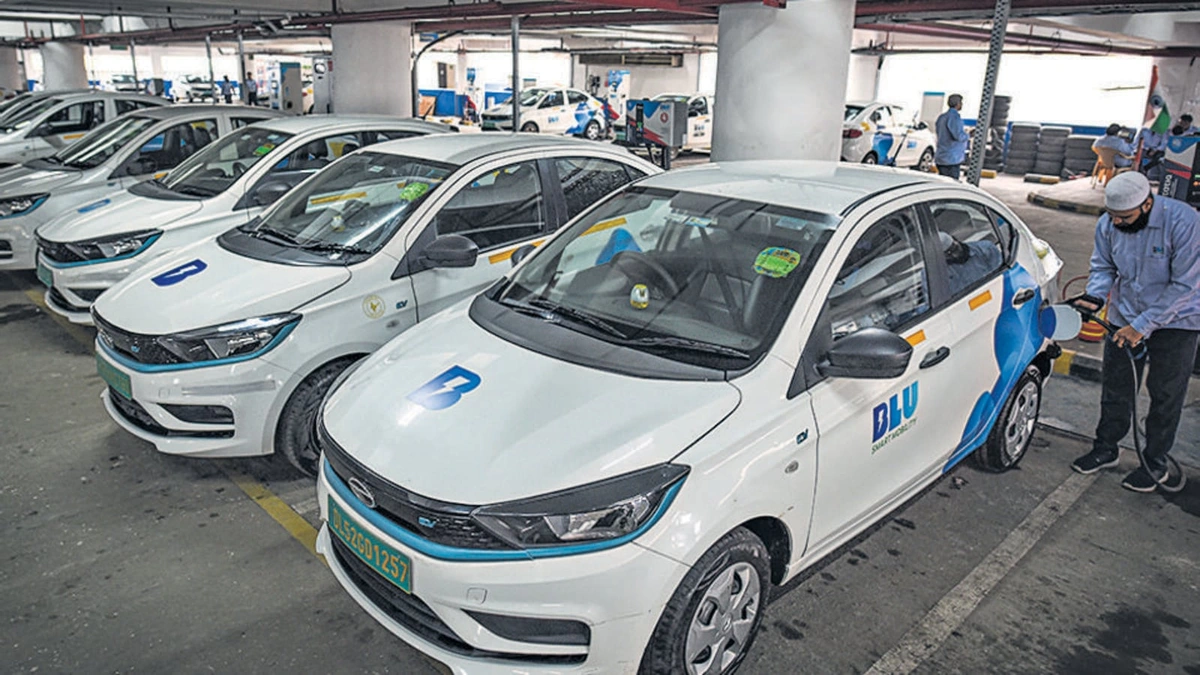
The air in Delhi, let’s be honest, can sometimes feel more like a thick soup than a breathable atmosphere. And when the pollution levels spike, as they often do, everyone starts looking for solutions. The latest buzz? The Delhi government is seriously considering bumping up the EV incentives to get more electric vehicles on the road. A key meeting is scheduled, and honestly, the stakes are high. But before you start imagining a utopian, emission-free Delhi, let’s dig into the ‘why’ behind this move. Why now? And what impact could it actually have?
Why This Matters | More Than Just Clean Air
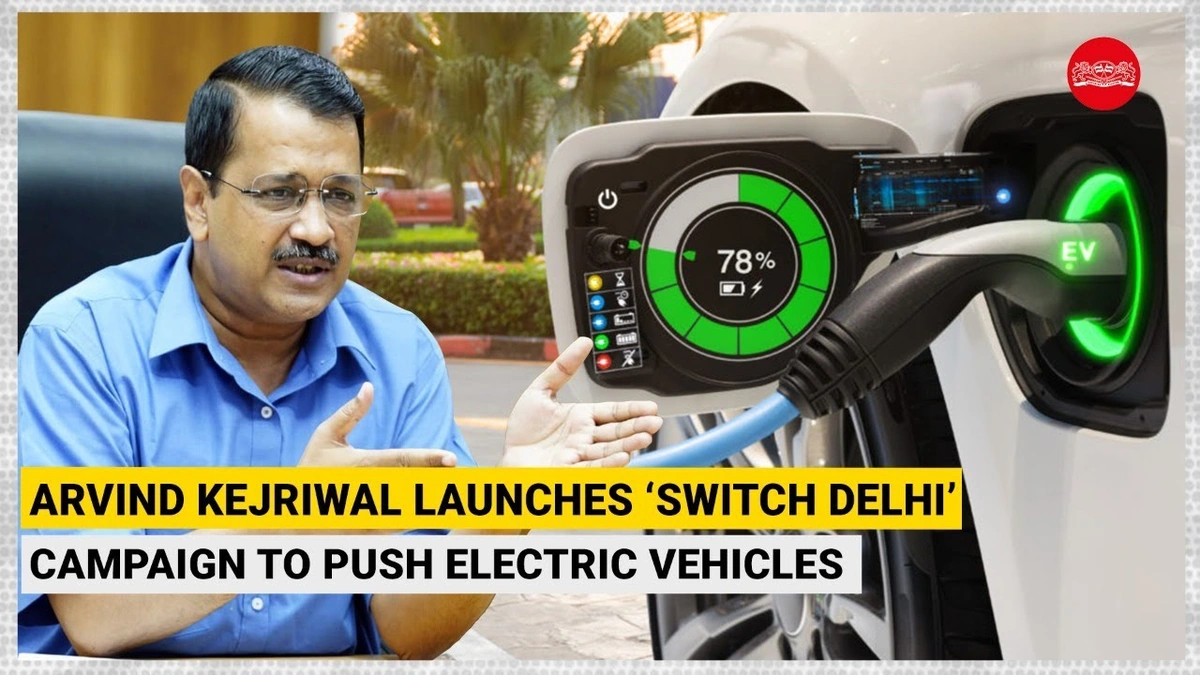
So, Delhi’s air quality is a perennial problem. We all know that. But this isn’t just about meeting environmental targets – although, let’s be clear, those targets are crucial. The ‘why’ goes deeper. The Delhi government’s Delhi EV Push is also about positioning the city as a leader in sustainable transport, attracting investment in the EV sector, and, crucially, creating jobs. Think about it: more EVs mean more demand for charging infrastructure, battery manufacturing, and skilled technicians to maintain these vehicles. It’s a whole ecosystem.
And here’s the thing I find fascinating: Delhi isn’t just throwing money at the problem. They’re trying to create a self-sustaining cycle. By making EVs more attractive to consumers through incentives, they hope to drive up demand, which in turn will attract more private investment in the EV infrastructure. It’s a gamble, sure, but one with potentially huge payoffs.
But, as always, there are challenges. Supply chain issues, the availability of charging stations, and the upfront cost of EVs are all hurdles that need to be addressed. It’s not enough to just offer a subsidy; the entire ecosystem needs to be ready. Let’s not forget electric vehicle adoption rate is also dependent on range anxiety. The anxiety that you might run out of charge before reaching your destination.
Decoding the Incentives | What’s on the Table?
Okay, so what kind of enhanced incentives are we talking about? Details are still emerging, but the conversation revolves around a few key areas. Firstly, expect a potential increase in the direct subsidy offered on the purchase of electric two-wheelers and four-wheelers. This could make a significant difference, especially for budget-conscious buyers. Secondly, there’s talk of expanding the network of charging stations across the city. More charging points, strategically located, will alleviate range anxiety and make EVs a more practical option for daily commutes. Thirdly, the government might offer additional incentives for scrapping older, more polluting vehicles. This “cash for clunkers” approach has worked well in other countries and could be a win-win, getting older vehicles off the road while encouraging the adoption of EVs. Weekend drives are a big part of the Delhi culture, so EV charging points need to be available in all the tourist spots.
And the thing is, these incentives aren’t just about the money. They’re about changing perceptions. Making EVs feel like a viable, convenient, and even desirable option for the average Delhi resident. It’s about signaling a commitment to a cleaner, greener future. But, let’s be real, perceptions are hard to change. It’s going to take more than just a few incentives to convince everyone to ditch their petrol cars.
The Roadblocks Ahead | It Won’t Be Easy
Let’s be clear – enhanced incentives alone won’t solve Delhi’s pollution problem overnight. There are significant challenges that need to be addressed. The availability of charging infrastructure is a major concern. While the government has been working to expand the network, it’s still not nearly enough to support a mass adoption of EVs. Queues at charging stations and the lack of charging points in residential areas are common complaints.
Then there’s the issue of electricity supply. Delhi already faces peak-hour power shortages during the summer months. A significant increase in EV adoption could strain the grid even further, potentially leading to blackouts. The government needs to invest in upgrading the power infrastructure to ensure a reliable supply of electricity for charging EVs. It’s a complex equation.
And let’s not forget about the cost. Even with incentives, EVs are still more expensive than their petrol or diesel counterparts. This makes them inaccessible to many low-income families. The government needs to explore innovative financing options, such as low-interest loans or leasing programs, to make EVs more affordable for everyone. Government subsidies may prove to be useful for the initial phase.
But, as I see it, the biggest challenge is changing people’s mindset. Many Delhi residents are simply not convinced about the benefits of EVs. They worry about range anxiety, charging times, and the availability of spare parts. Overcoming these concerns will require a sustained public awareness campaign to educate people about the advantages of EVs and dispel common myths.
Looking Ahead | A Greener Delhi?
So, can Delhi actually pull this off? Can it transform itself into an EV-friendly city and significantly reduce its pollution levels? The answer, as always, is complicated. The government’s commitment to enhanced incentives is a step in the right direction. But it’s just one piece of the puzzle. Success will depend on addressing the challenges outlined above, investing in infrastructure, and changing people’s perceptions.
And here’s what I truly believe: this isn’t just about Delhi. It’s about setting an example for other cities in India and around the world. If Delhi can succeed in its electric mobility ambitions, it will pave the way for a cleaner, greener future for all. The upcoming meeting is a crucial moment. The decisions made will determine whether Delhi’s EV push will be a success or just another failed attempt to clean up the city’s air. Let’s hope they get it right.
One of the most critical factors that will dictate the success of Delhi’s electric vehicle revolution is the cost of ownership. EVs, while environmentally friendlier, often come with a higher price tag than their traditional gasoline-powered counterparts. This initial investment can be a significant barrier for many potential buyers. Therefore, to truly incentivize EV adoption, it is essential to address this cost differential. This can be achieved through a combination of government subsidies, tax benefits, and innovative financing options. Additionally, reducing the GST rate on EVs can make them more affordable and competitive in the market.
FAQ About Delhi’s EV Push
Will the incentives apply to all types of electric vehicles?
The exact details are still being finalized, but it’s likely that the incentives will cover a range of electric vehicles, including two-wheelers, three-wheelers, and four-wheelers. However, there might be some eligibility criteria based on vehicle specifications and price.
How can I avail of these incentives?
The government will likely announce a detailed procedure for availing the incentives. Keep an eye on the official transport department website for updates.
What if I already own an EV? Will I get any benefits?
The current focus is on incentivizing new EV purchases. However, there might be some benefits for existing EV owners, such as priority access to charging stations or discounts on electricity tariffs.
How will the charging infrastructure be improved?
The government is working with private companies to set up more charging stations across the city. They are also exploring options for public-private partnerships to accelerate the deployment of charging infrastructure.
Will there be dedicated parking spots for EVs?
It’s possible that the government will introduce dedicated parking spots for EVs, especially at public places and commercial buildings. This would further incentivize EV adoption.
What fascinates me is the potential for Delhi to become a true leader in sustainable transportation. The challenges are significant, yes, but the opportunities are even greater. If the government can get this right, Delhi could become a model for other cities around the world looking to tackle air pollution and embrace a cleaner future.